
The study tool for med students who can't afford to forget
Made for medical school. Lexie applies spaced repetition, active recall and image occlusion to your own lectures, with the same rigour as Anki, without the hours of card-making.

“This app is so amazing and helps with studying SO SO SO SO much, I wish I could use Lexie for every exam I have so I wouldn't need to stress 24/7”
Shine PemipaGoogle Play Store review
Any lecture. One study set.
Spaced repetition, without making the cards
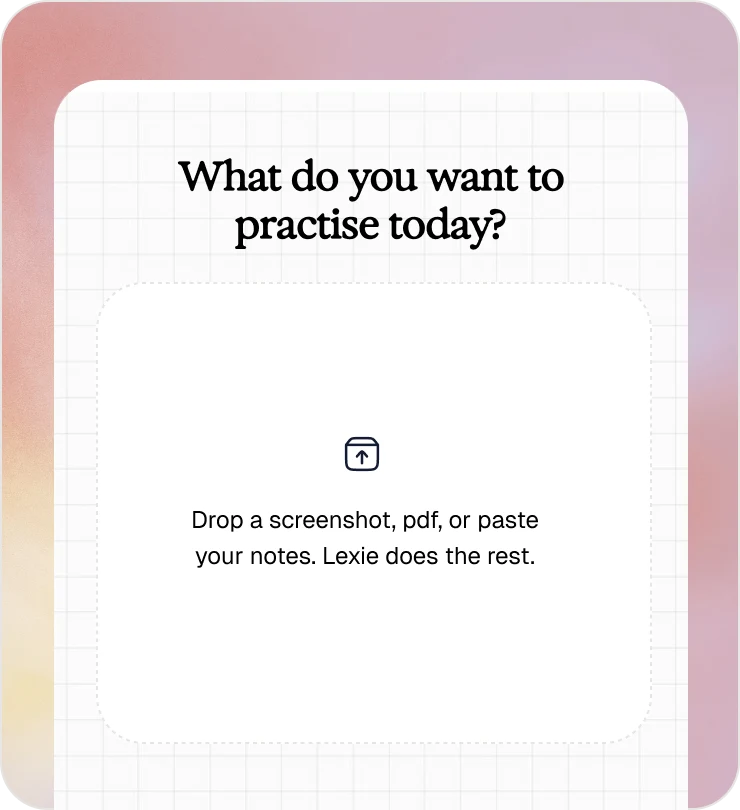
Drop the lecture PDF, a photo of your notes, or paste the text. Lexie does the rest.

Lexie breaks the lecture into its key concepts and picks the best way to practise each one.
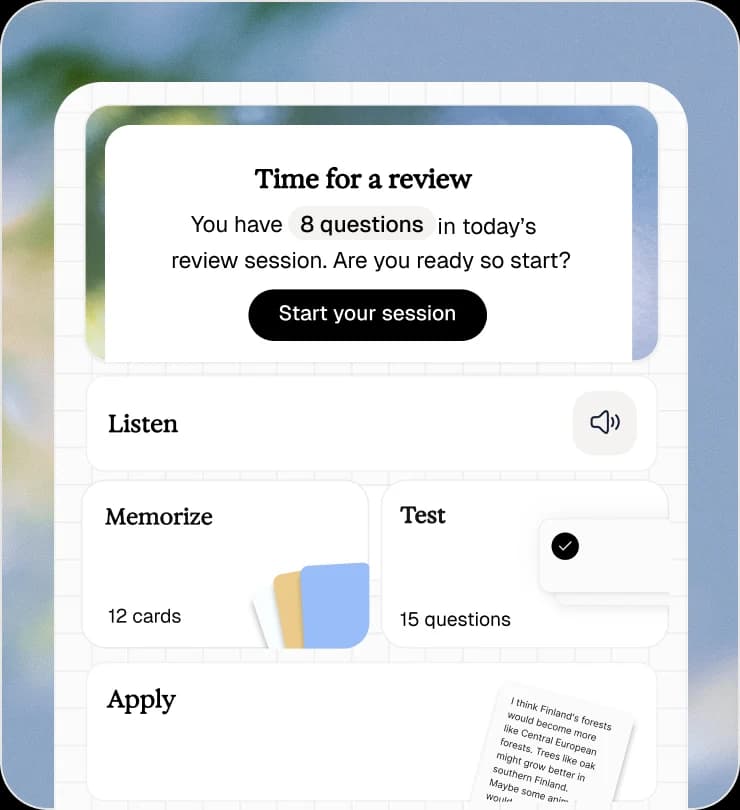
Memorise, test, think, listen, read. One lecture turns into five ways to learn it.
Built for the volume
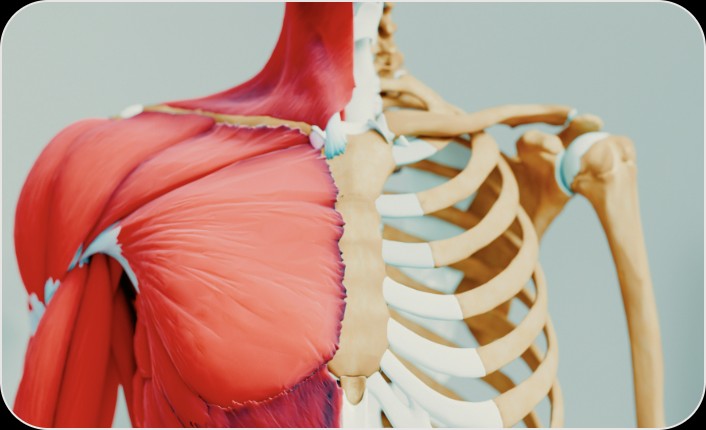
Anatomy
Photograph the atlas, the slide or the lab handout. Every labelled structure becomes a question you answer by typing the name, not by tapping to reveal it.
Try the 3D anatomy atlas
Histology and cell biology
Diagrams of cells, tissues and organelles work the same way. Name the part, get it checked, move on to the one you missed.
Biochemistry and pharmacology
Pathways, drug classes and mechanisms become fill-in-the-blank and quiz questions with plausible wrong options, so you learn the mechanism, not the shape of the right answer.
Why med students switch
Anki is powerful. The setup is not.
Nobody argues with Anki's method. The cost is the hours of making and formatting cards. Every hour spent building a deck is an hour not spent reviewing it. Lexie keeps the method and drops the production work.
Pre-made decks are someone else's course
AnKing and Zanki are thorough, but they follow someone else's emphasis. Your exam follows your lecturer's. Lexie builds from your own material, so the practice matches what you will be asked.
Flashcards are not the exam
Exams ask you to explain a mechanism or reason through a case. Lexie's practise exam asks open questions, reads your written answer, and tells you what was missing before it shows the model answer.
Frequently asked questions
Lexie schedules reviews with FSRS, the same algorithm advanced Anki users choose, and builds the material from your own lecture content. Anki gives you full manual control over every card and setting. Lexie trades that control for speed: photograph the material and start reviewing. If you want to tune every interval, Anki is unmatched. If you want the method without the setup, Lexie removes the barrier.
Yes. Many students use Lexie for new lectures and keep the long-term decks they already built in Anki. The methods are the same, active recall and spaced repetition, so the two reinforce each other.
Yes. Photograph any labelled diagram: Netter's, Gray's, Thieme, a lecture slide, your own sketch. Lexie finds the labels and hides them. You type each structure from memory before it is revealed, and you can fix or drop a label before you start.
Lexie works with whatever you are studying. Photograph the pages of First Aid, Pathoma or your programme's own lectures, and Lexie builds practice from that content. It is not a question bank. It is a practice generator built from your own revision material.
Your lecture material and your results are used to build and grade your own practice, nothing else. Lexie does not share them with third parties. The privacy policy has the details.
Same study methods. No setup time.
Photograph your notes and start reviewing. 3 free study sets.