
Learn a language,
have real conversations
Turn any foreign language text into a complete study session in seconds.
“Lexie has worked a lot better than Duolingo and Memrise 🥰”
TaruLexie user
How it works
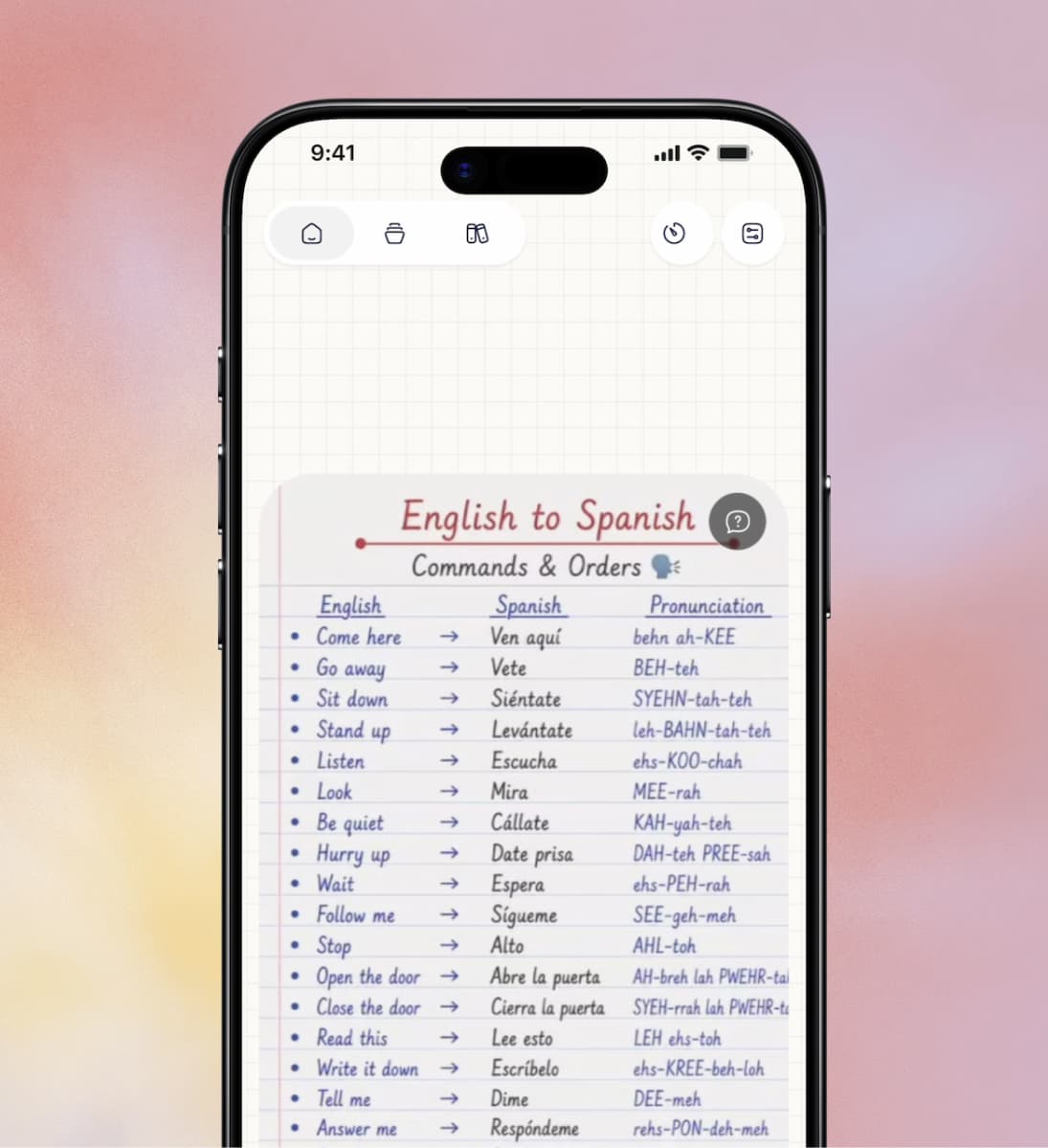
Take a photo of your vocabulary list, grammar notes, or worksheet. Lexie detects both the content language and your app language automatically.
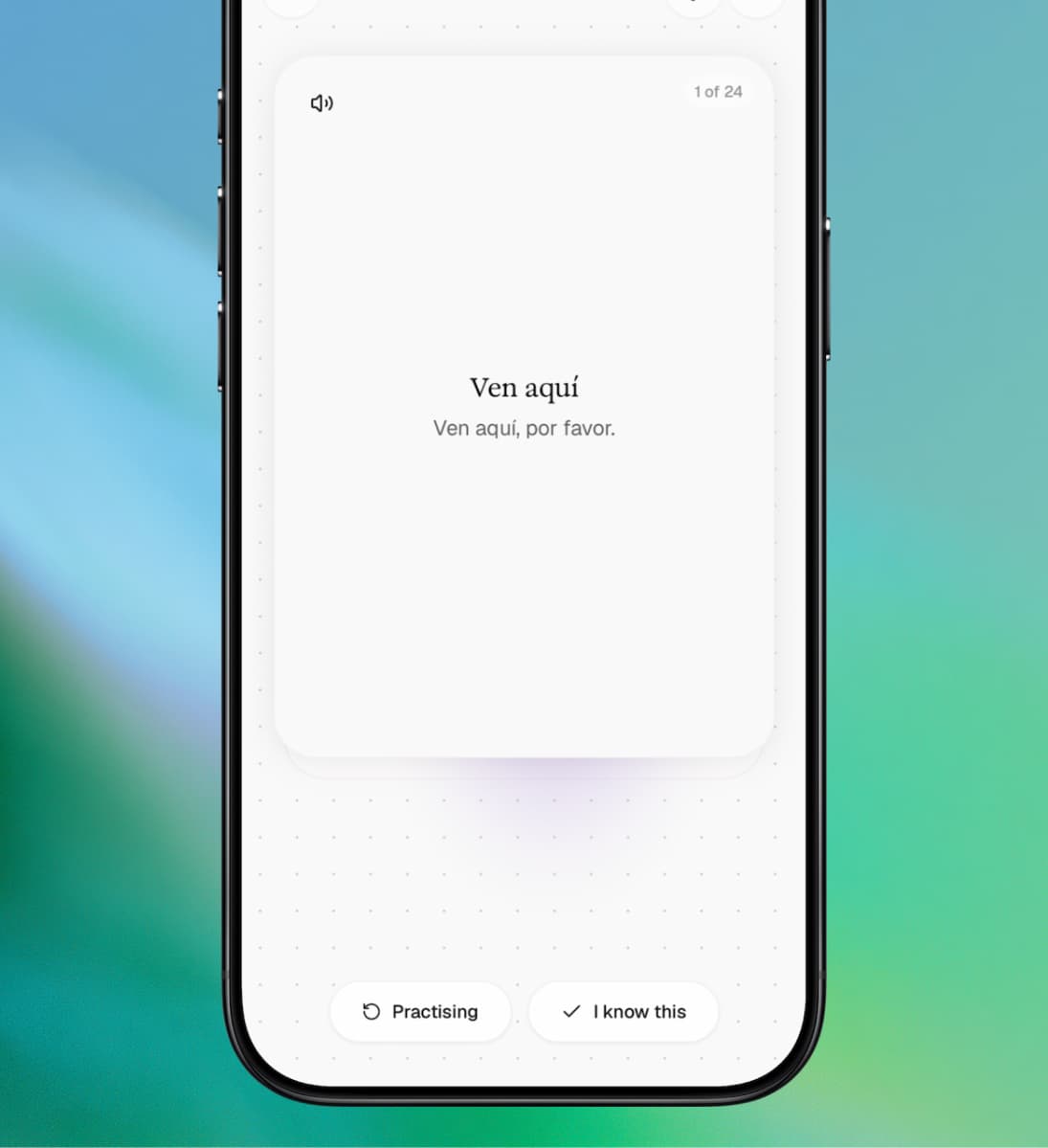
Lexie generates flashcards from your vocabulary with audio pronunciation on every card. Swipe as Know or Still Learning. Cards you don't know come back until you do.
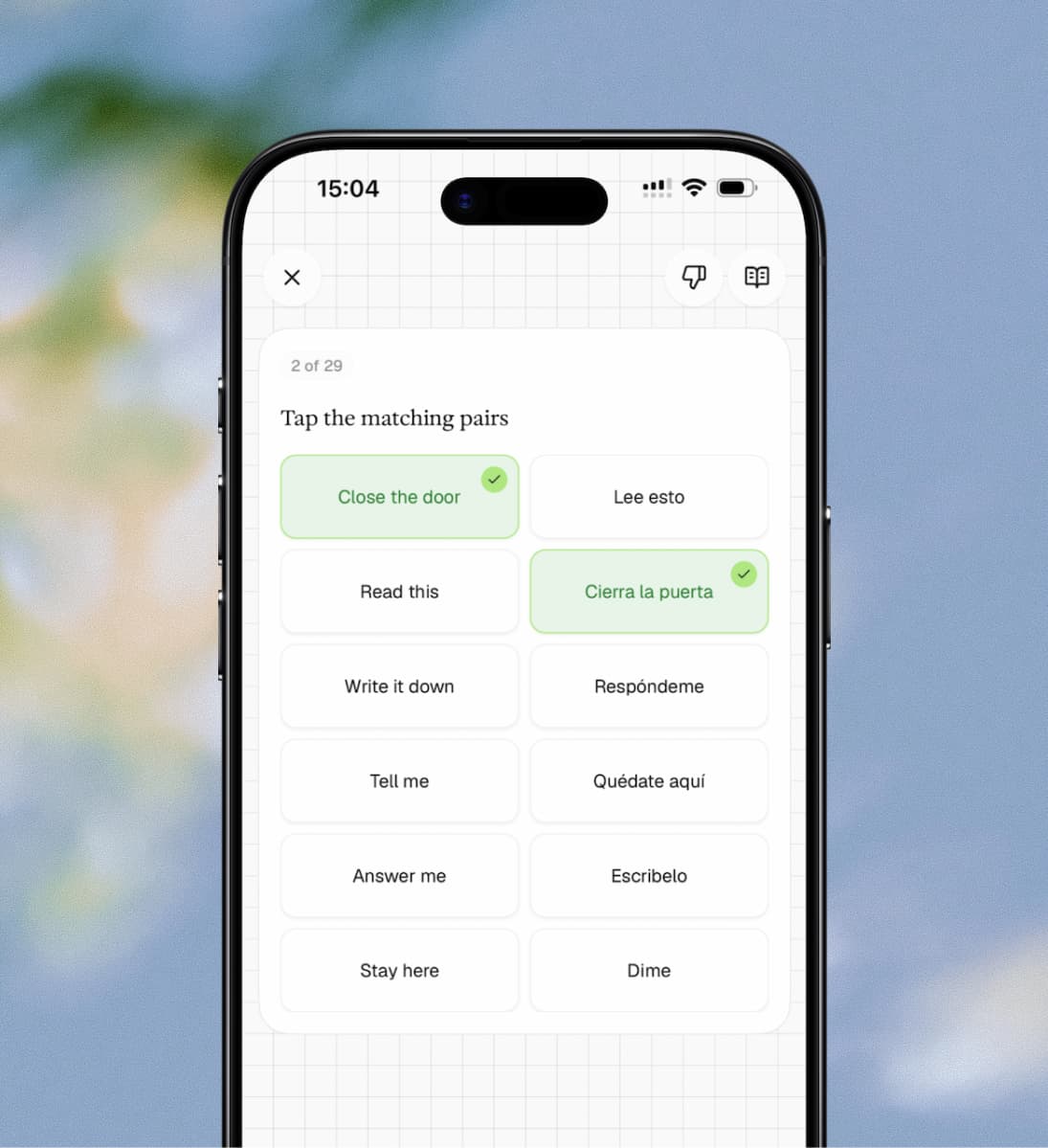
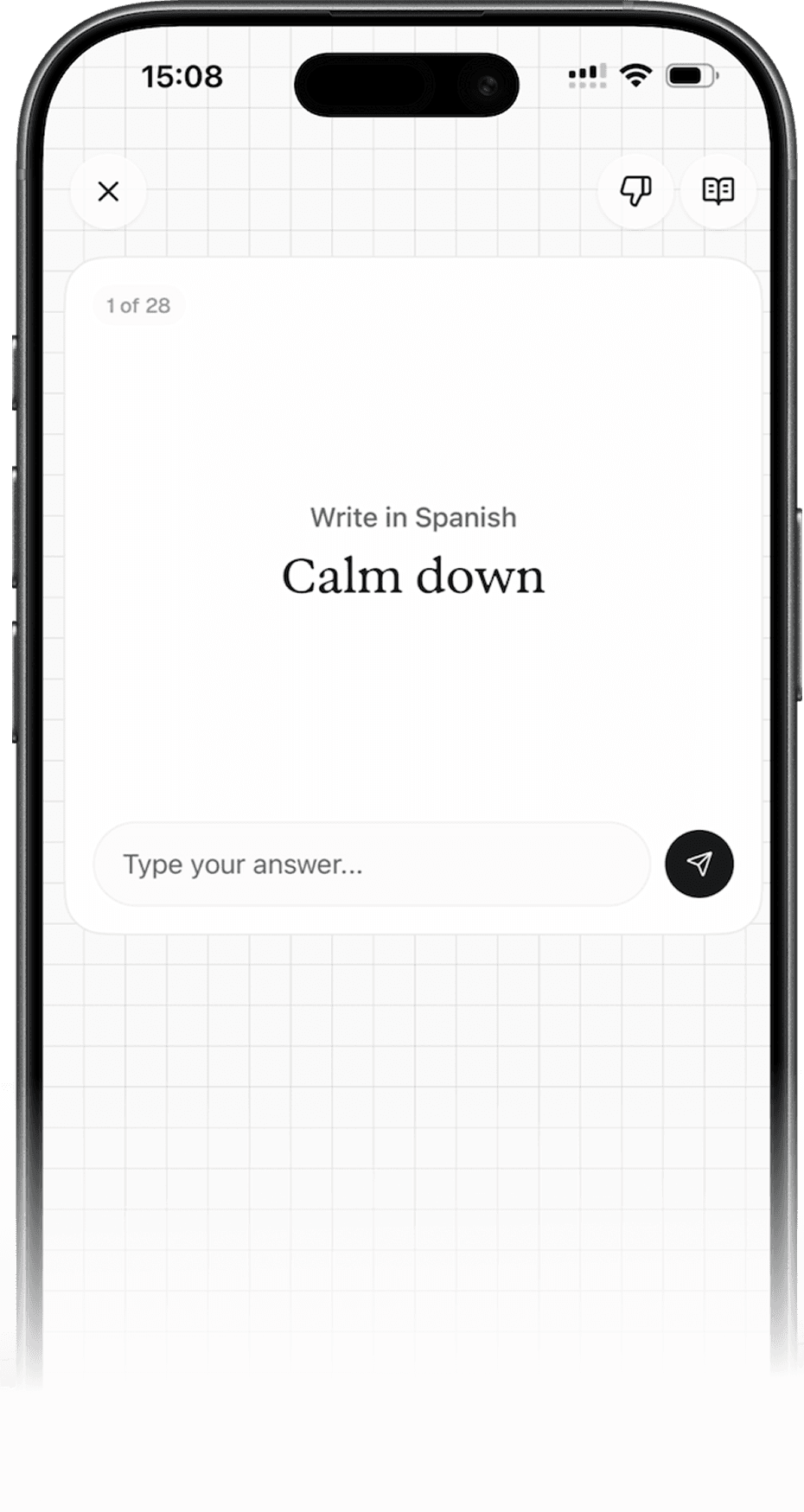
Matching pairs, typed recall where you produce the word from memory, and listening exercises where audio plays and you type what you hear. Different ways to test the same vocabulary.
Practice modes for language
Matching pairs
See a word, find its pair. Fast, focused, and effective for building the associative links that vocabulary acquisition depends on.
Typed recall
You see a word or phrase and type the translation from memory. This is the most demanding form of vocabulary practice and the most effective.
Listening mode
Audio plays a word or phrase in the target language. You type what you hear. Essential for spoken comprehension.
Flashcards with audio
Standard flashcard review with audio pronunciation on every card. Build the sound-meaning connection alongside the visual one.
From memorizing words to understanding sentences
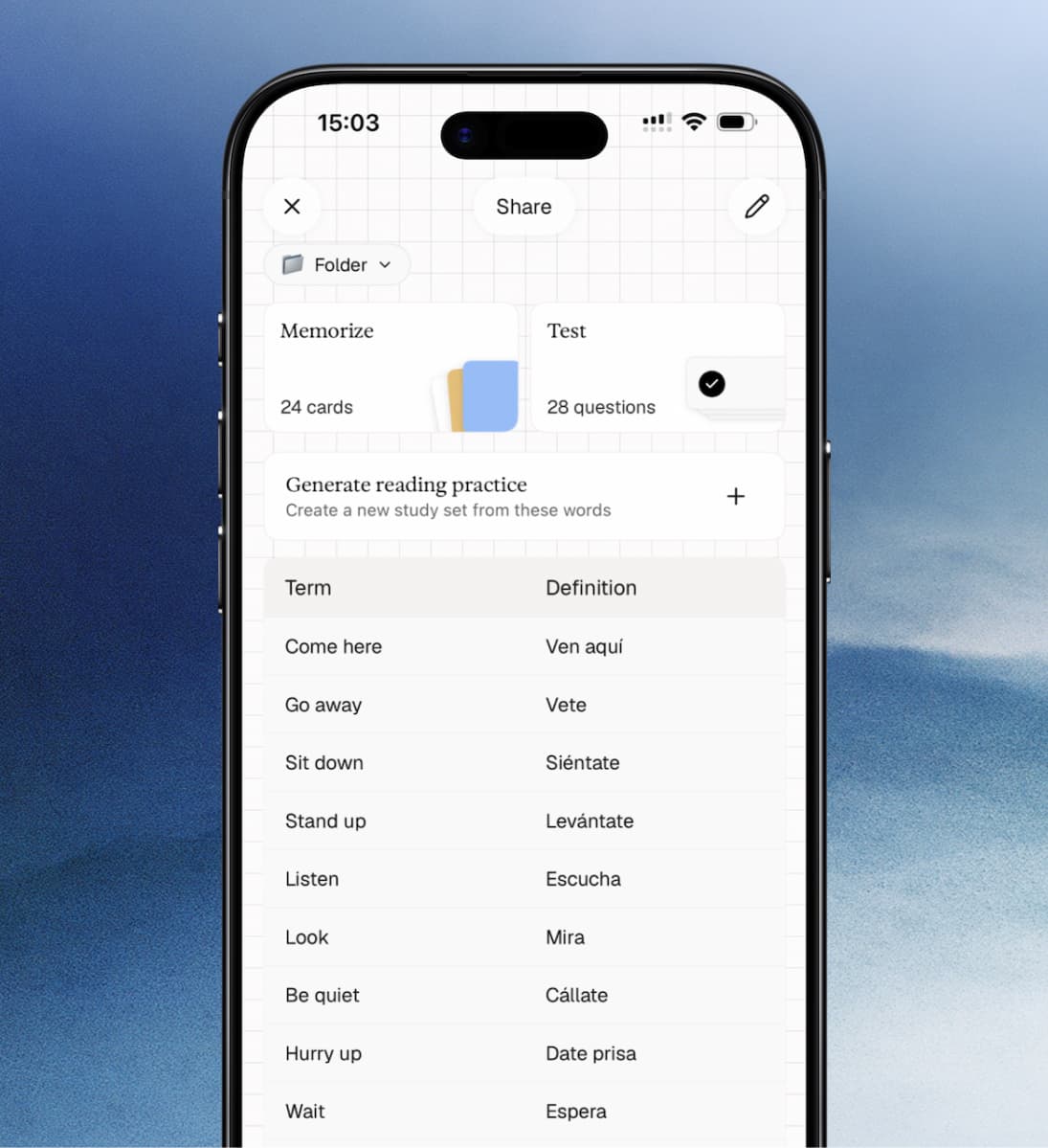
Photograph a vocabulary list and Lexie generates flashcards, matching pairs, typed recall, and listening exercises. You practice producing each word from memory before you ever see it in context. The words become familiar through retrieval, not just reading.
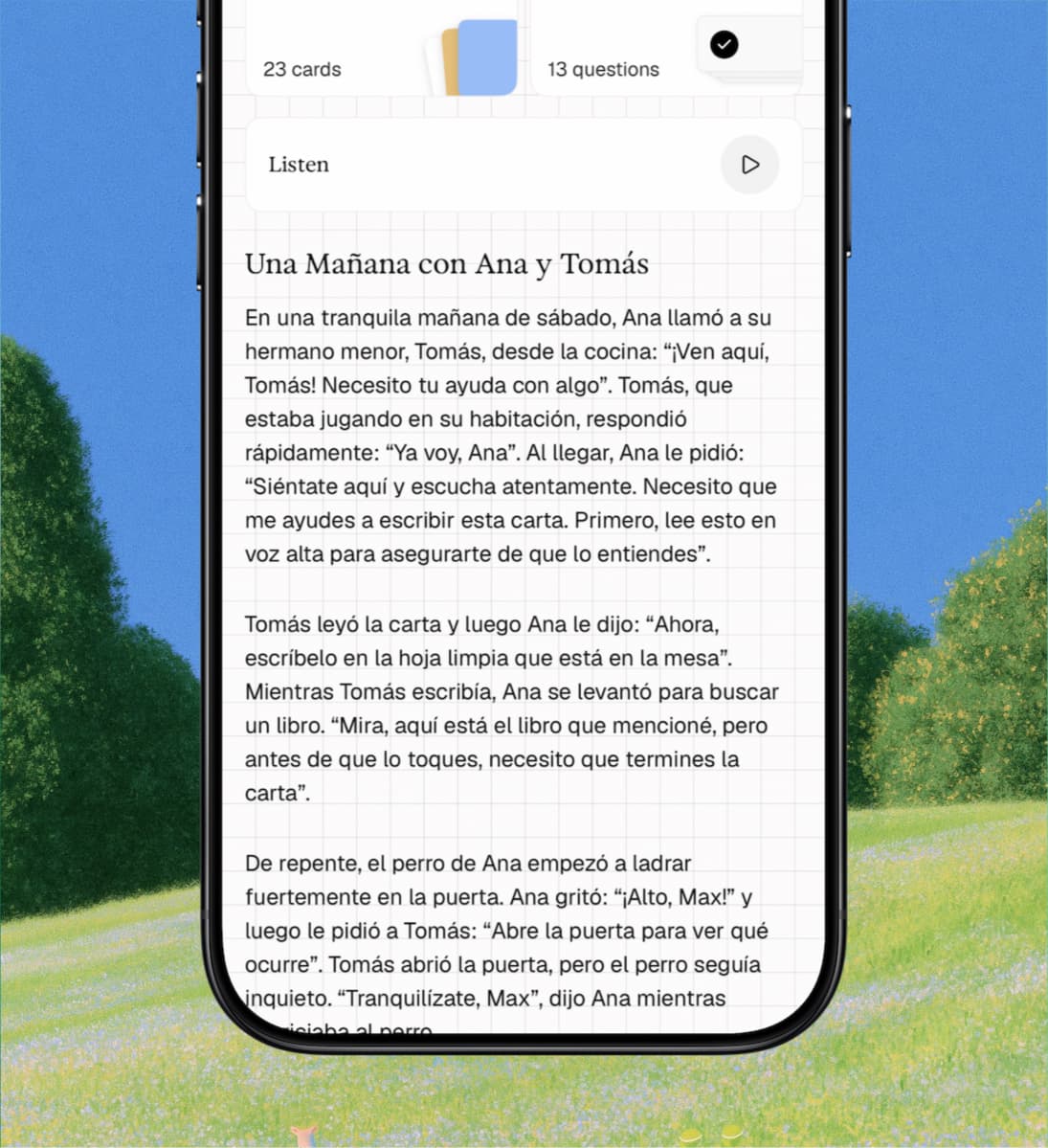
Once the vocabulary feels solid, generate a reading passage from the same words. Lexie creates connected sentences and paragraphs that use your vocabulary naturally. You're not memorizing word pairs in a vacuum anymore. You're reading the language.
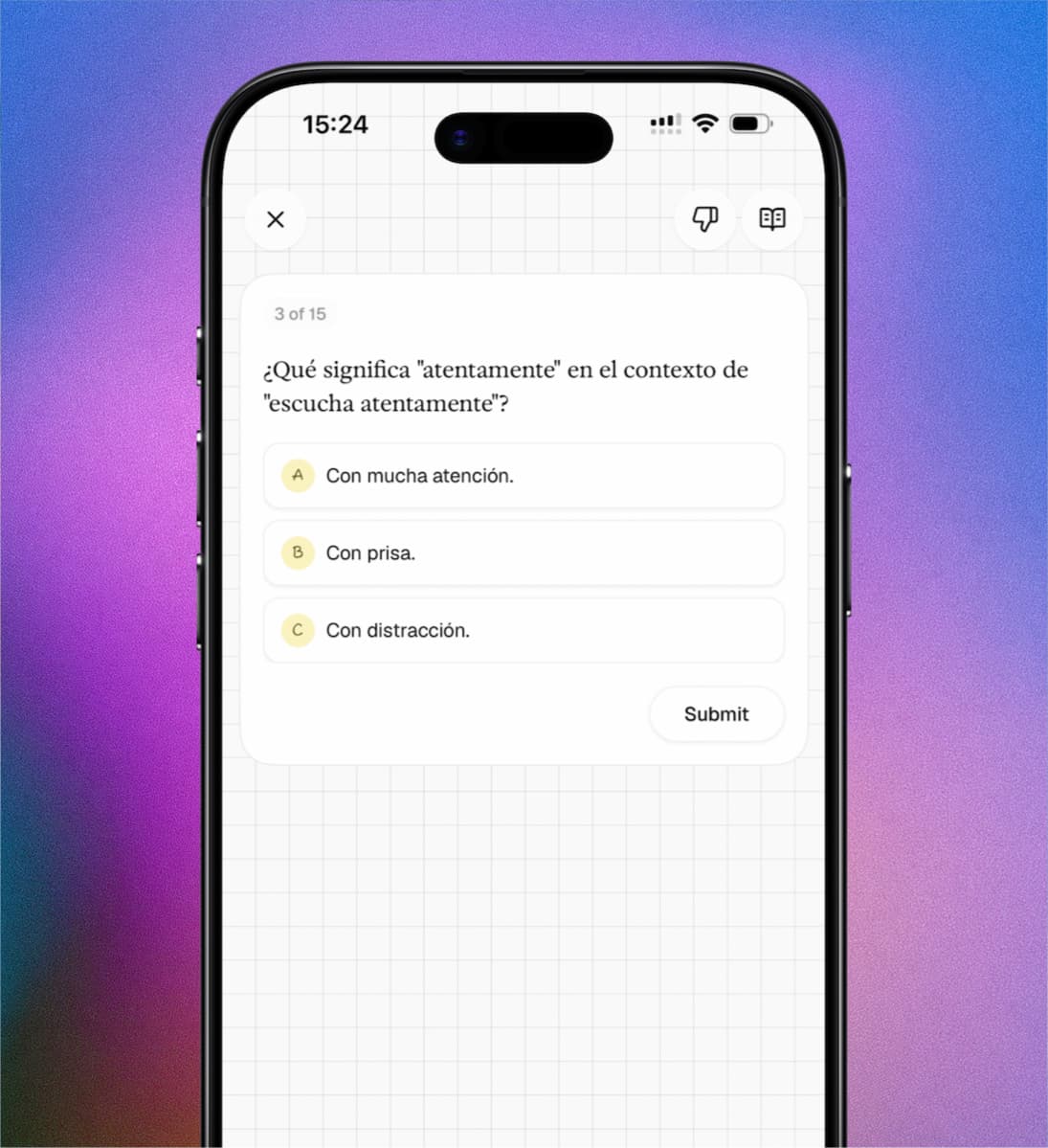
Retrieval first, then comprehensible input. You build the vocabulary through active practice, then encounter those words in context just above your current level. The practice gives you the knowledge. The reading gives you the intuition for how the language works.
Why Lexie works for languages
Your course, not a fixed curriculum
Duolingo teaches its own syllabus in its own order. Lexie practises what your class covers this week.
Two languages on one page
A French grammar handout written in English still works. Lexie reads both languages in the same material.
It remembers what you forget
FSRS tracks every word across every mode. The ones you miss come back sooner, the ones you know go quiet.
Frequently asked questions
34+ languages for study content, translation, and audio pronunciation. This includes all major European languages, Arabic, Mandarin, Japanese, Korean, Russian, Ukrainian, Finnish, Swedish, Estonian, Somali, and many more. Lexie auto-detects the language from your study material.
Photograph a vocabulary list and Lexie creates reading passages that use your words in natural context. The passages are calibrated to be comprehensible — slightly above your current level so you can follow the meaning while encountering each word in use. After reading, the same vocabulary is used in matching, recall, and listening exercises.
Duolingo follows a fixed curriculum and teaches through isolated sentences in a predetermined order. Lexie works with your own study material — your class notes, your worksheets, your vocabulary list. It generates reading passages from your vocabulary for comprehensible input, then tests you with active recall across multiple question types. You practise exactly what your course covers, at the level you're currently at.
Yes. GCSE, A-Level, AP, DELF, DELE, Goethe-Zertifikat, JLPT — photograph your revision material and get practice matched to your specific exam content. The typed recall and listening modes are particularly effective for exam preparation where you need to produce language, not just recognise it.
Yes. Every word in your study text is tappable across all study modes, including generated reading passages. The translation uses sentence context for accuracy and supports 34+ target languages. Your language preference is saved so you don't have to select it each time.
Yes. Each study set is independent. Create one set from your French vocabulary list and another from your Spanish notes. Lexie handles each language separately and the FSRS algorithm tracks your progress in each one independently.
Start with your word list.
Photograph it. Lexie builds the practice and writes the passage.